
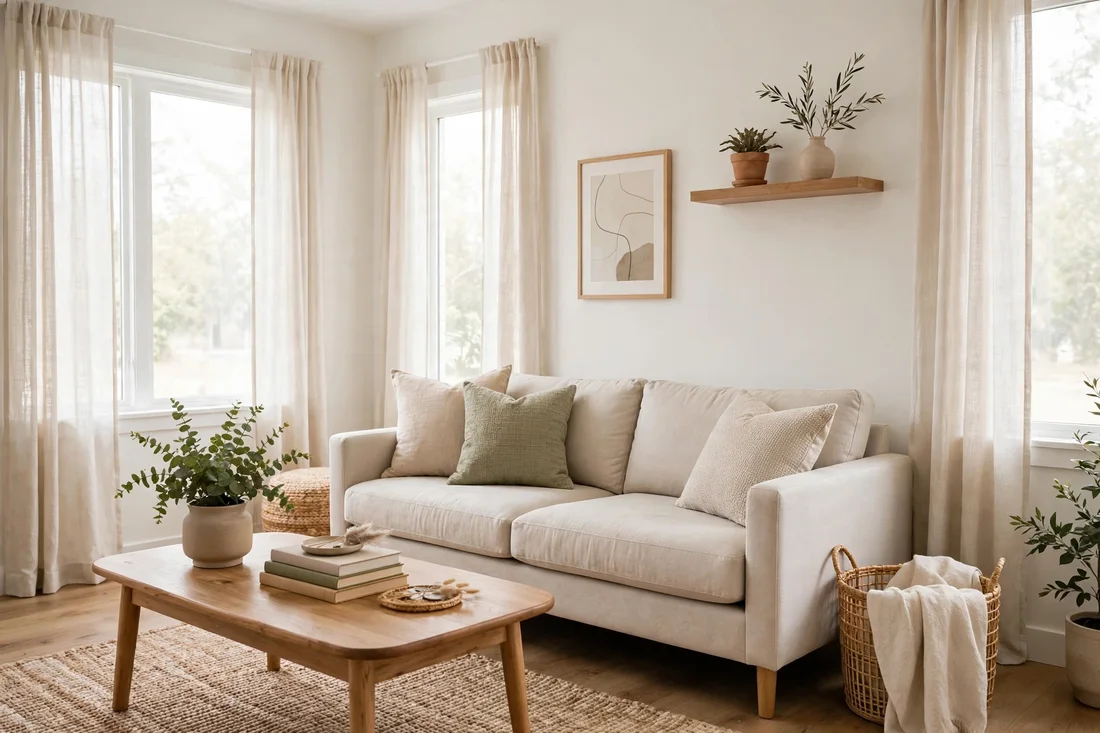
Good long-term tenants are worth more than a slightly higher monthly rent, because every vacancy costs you a month of income, a round of cleaning and repairs, and the risk of an unknown quantity moving in. Landlords who consistently keep tenants for years tend to do one thing well: they stage a rental property so that the right people can picture a stable, comfortable life there from the first viewing. Staging a rental is not the same as staging a home for sale — the goal is not a quick emotional purchase but trust, practicality, and the feeling that this landlord has their act together. Here is how to do it room by room.
Start With Deep Clean and Deferred Maintenance
No amount of styling hides a dirty or neglected property. Before anything decorative happens, clean the home the way a hotel would be cleaned: inside appliances, grout, windows, extractor fans, and the tops of cupboards. Then fix the small maintenance items that quietly signal neglect — dripping taps, stiff locks, cracked switch plates, a toilet that runs, doors that do not close properly. Prospective tenants read these details as a preview of how you will respond when something breaks during their tenancy. A landlord who stages a rental property properly knows the viewing begins at the front path: mow, sweep, clean the door, and make sure the house number and doorbell work.
Neutral Walls, Repaired Surfaces, Honest Light
Long-term tenants are choosing a backdrop for their own furniture and their own life, so give them a blank canvas rather than a previous tenant’s personality. Repaint in a single warm neutral throughout; it photographs well, makes rooms feel larger and connected, and is easy to touch up between tenancies. Replace harsh or mismatched light bulbs with consistent warm-white ones, open every curtain for viewings, and clean the windows — daylight is the cheapest staging tool that exists. Much of the same logic applies when selling, and our guide on how to stage your home for sale covers the shared basics in more depth, though rentals need the durability-first twist described below.
Furnish Lightly, or Not at All — But Decide Deliberately
An unfurnished rental usually photographs best with a few scale-giving pieces: a sofa and rug in the living room, a bed made up simply in the main bedroom, a small table and chairs where people eat. This is not about pretending someone lives there; it is about answering the tenant’s silent questions — will my sofa fit, where would a desk go, is this bedroom genuinely double? If you let the property furnished, keep the furniture sturdy, neutral, and easy to clean, and photograph exactly what is included so there is no dispute later. Avoid personal items, strong colours, and anything fragile that you would be upset to see worn.
Stage the Kitchen and Bathroom for Daily Life
Tenants judge rentals by the rooms they will use twice a day. In the kitchen, clear the counters almost completely, add one plant or a bowl of fruit for the photograph, and make sure the oven, hob, and extractor are visibly spotless. In the bathroom, fresh sealant and a new toilet seat cost very little and remove the two details that make viewers quietly recoil. A clean white shower curtain, a folded towel, and a small plant complete the effect. These rooms are also where a greener routine helps the listing: tenants increasingly value a home that is easy to run responsibly, and the habits in our explainer on how recycling works are simple to set up for a new household with labelled bins in the kitchen.
Photograph and List Like You Mean It
Most tenants meet your property as a set of phone photographs, so take them after staging, in daylight, from the doorway corners that make rooms look honest and spacious. List the facts long-term tenants filter for: washing machine, storage, parking, garden or outdoor space, broadband speed, and how bills and maintenance requests are handled. Be explicit about the tenancy length you are hoping for — saying you welcome long lets, and pricing fairly enough to make staying attractive, selects for exactly the tenants you want. If the home has a garden, mention who maintains it, and if you are happy for tenants to grow their own, our beginner’s guide to starting a vegetable garden shows the sort of small, tidy setup that improves a plot rather than overwhelming it.
Small Costs That Prevent Expensive Vacancies
Landlords sometimes hesitate over a few hundred spent on repainting, a professional clean, or a replacement appliance, and then lose several times that amount to an extra month sitting empty. Run the comparison honestly: one week of vacancy on an ordinary rental typically costs more than the entire staging budget described in this guide. A mid-tenancy refresh — offering to repaint a room or replace a worn carpet for a good tenant who renews — is usually cheaper still, and it buys the most valuable outcome in the business: a tenant who stays put and treats the home as their own. Keep a simple reserve for these moments, decide quickly when a reliable tenant asks for a reasonable improvement, and your staging stops being a one-off effort at listing time and becomes the way the property is run. That reputation, passed between tenants and agents, quietly fills your next vacancy before you even advertise it.
The Viewing Is an Interview in Both Directions
Stage the experience, not just the rooms: arrive early, air the property, put the heating on in winter, and have the tenancy details printed or ready to send. Answer questions about maintenance response times and previous tenancy lengths directly — long-term tenants are listening for evidence that you are a landlord who stays calm and fixes things. When you stage a rental property with this level of care, you stop competing on price alone. The tenants who value a well-kept home are the same tenants who keep it well, pay reliably, and renew — which is the entire point.