
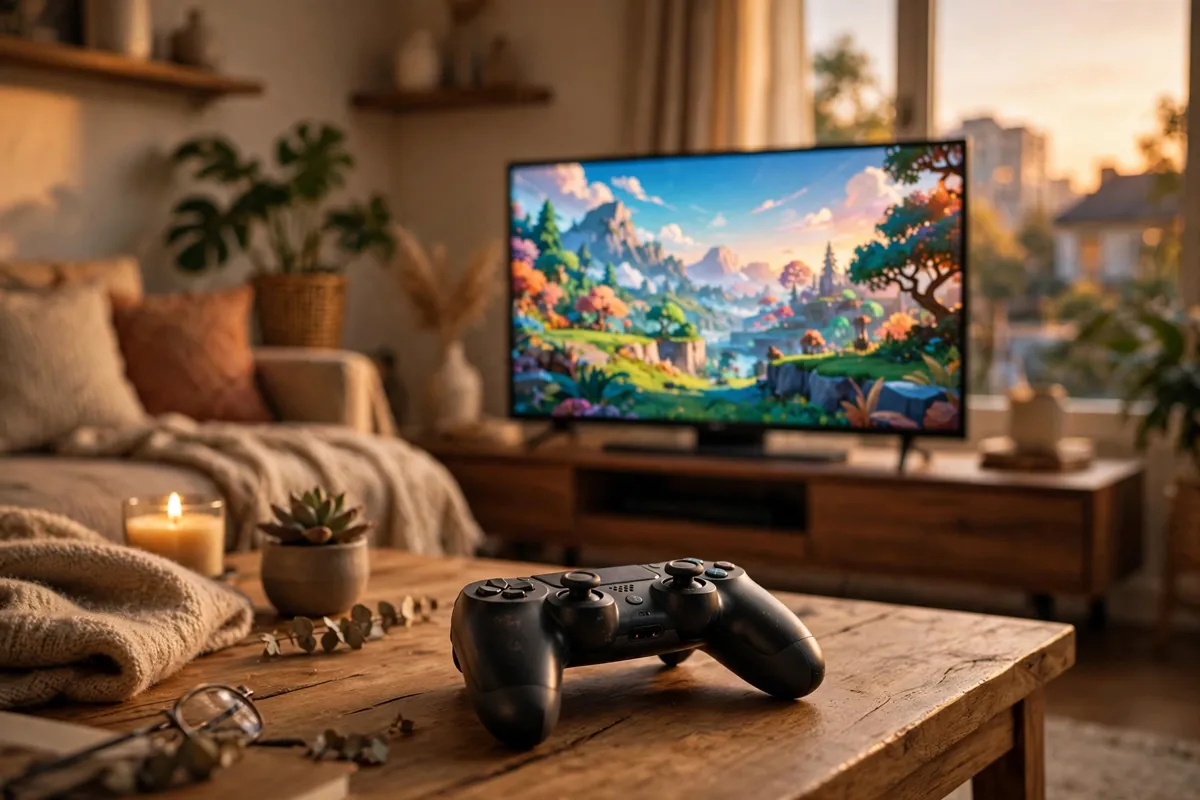
Video games have a reputation problem. For years they have been blamed for laziness, poor attention, and wasted time, while their benefits have gone largely unnoticed. But a growing body of research, and the experience of millions of players, tells a more balanced story: played in moderation, video games can sharpen the mind, improve coordination, and bring people together. This guide looks at how video games can be good for your brain, honestly, including where the limits are.
Problem Solving and Strategic Thinking
Most video games are, at heart, problem-solving exercises. Players must understand rules, weigh options, plan several moves ahead, and adapt when a plan fails. Strategy games ask players to manage resources and make long-term decisions, puzzle games demand flexible thinking, and adventure games reward curiosity and exploration. These are the same thinking skills that help in study, work, and everyday decisions, practised in an environment where mistakes cost nothing and can be tried again immediately.
Games also teach persistence in a way few other activities match. A difficult level that takes ten attempts to pass teaches a player to keep trying, adjust tactics, and learn from failure, without the fear that often comes with failing in real life. That resilience transfers: players who learn to treat failure as feedback in a game often bring the same attitude to harder challenges elsewhere. The key, as with any good habit, is balance, and study tips for students show how short, focused sessions with real breaks apply just as well to gaming as to revision.
Coordination, Reaction, and Spatial Skills
Action and sports games train hand-eye coordination, reaction speed, and spatial awareness in ways that are hard to replicate elsewhere. Players track multiple moving objects, judge distances and timing, and make split-second decisions, all while coordinating their hands precisely. These skills are genuinely useful, from driving to sport to any job involving precise manual work, and they improve with practice in the same way any trained skill does.
Team games add another layer: communication, cooperation, and leadership. A player in a team game must share information quickly, trust teammates, and sometimes lead under pressure. Competitive play has its own lessons too, and following professional sport shows the same dynamics at a larger scale: debates about Premier League players remind us that teamwork, form, and pressure affect everyone, whether on a pitch or on a screen. The social side of gaming is real, and for many players it is the main reason they play.
Social and Emotional Benefits
One of the most overlooked benefits of video games is social. Many games are played with friends, family, or online communities, and for players who find face-to-face socialising difficult, games can be a comfortable way to connect. Cooperative games require players to talk, plan, and support each other, while even competitive games create shared experiences and stories that friends talk about long after the session ends. For families, playing together can be one of the few activities that genuinely interests every generation at the same table.
Games can also help with stress and mood. A short gaming session after a hard day gives the mind something absorbing to focus on, which is a healthy form of rest, provided it does not replace sleep or exercise. Some games are deliberately calming, with gentle music and slow exploration, and these can be genuinely relaxing. The emotional benefits are real, but they depend on the same rule as everything else about gaming: moderation, and choosing games that leave you feeling better afterwards rather than frustrated or drained.
Gaming in Moderation
None of this means unlimited gaming is good for you. The benefits come from moderate, purposeful play, not from marathon sessions that replace sleep, exercise, or social life. A sensible approach is to treat gaming like any other leisure activity: enjoyable in its place, harmful when it crowds everything else out. Set time limits, especially for younger players, and choose games that match the player’s age and interests rather than whatever is most popular.
It also helps to choose the right hardware and games for the experience you want. Modern consoles have changed what gaming at home can be, and what makes a modern console special is less about raw power than about how it brings people together to play. Played thoughtfully, video games are not a waste of time. They are a form of play, and play has always been one of the best ways the human brain learns, practises, and grows.
Choosing the Right Games
Not all games offer the same benefits, so choosing well matters. Puzzle and strategy games build planning and flexible thinking, adventure games reward curiosity and exploration, and sports and racing games train coordination and reaction. Look for games that challenge you without frustrating you, and that respect your time rather than demanding endless hours. Reviews from other players are often more useful than advertising, because they describe how a game actually feels after the first few hours.
Age ratings exist for a reason, and they are worth following, especially for younger players. A game designed for adults may contain themes or online interactions that are not suitable for children, whatever its cartoon appearance suggests. Playing together as a family is the best way to judge a game, because you see first-hand what it asks of its players. When the right game meets the right player, at the right amount of time, gaming becomes what it should be: enjoyable, social, and quietly good for the brain.