Learning how to start a vegetable garden is one of the most forgiving hobbies a beginner can pick up. Vegetables want to grow; your job in the first season is simply to give a small number of plants sun, water, and decent soil, and to resist the urge to plant everything in the seed catalogue at once. A modest first garden that succeeds teaches you more than an ambitious one that overwhelms you by July. This guide covers the decisions that matter most in year one: where to put the garden, how to prepare the soil, what to plant, and how to keep it alive without turning gardening into a second job.
Choose the Sunniest Spot You Have
Most vegetables need at least six hours of direct sunlight a day, and fruiting plants like tomatoes and peppers are happiest with eight or more. Walk your space at different times of day before you commit — a bed that is sunny at breakfast may sit in fence shadow all afternoon. Stay as close to a water source as you reasonably can, because a garden that is annoying to water is a garden that gets watered late. If your only sunny ground is a patio or balcony, containers and grow bags work perfectly well for a first season; the principles in this guide apply exactly the same way, just in pots.
Start Smaller Than You Want To
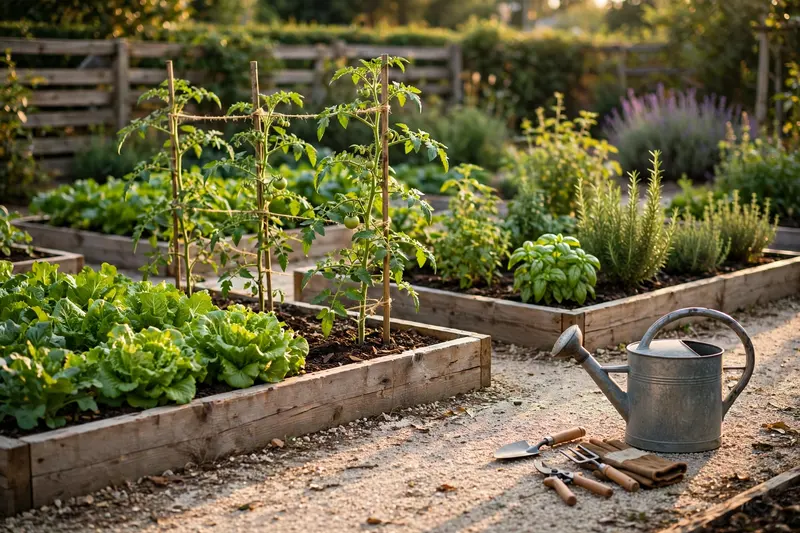
A single raised bed or a plot roughly three metres by three is plenty for a first year. Small gardens get weeded, watered, and harvested on time, and they let you learn the rhythm of the seasons without burnout. Raised beds earn their popularity with beginners: they warm up earlier in spring, drain well, keep paths and planting areas clearly separated, and spare your back some of the bending. If you garden in the ground instead, mark out beds you can reach across from both sides so you never have to step on the soil you are growing in.
Build Soil Before You Plant Anything
Vegetables are hungry plants growing on a deadline, and soil is where first gardens are won or lost. Clear the area of grass and weeds, loosen the soil to the depth of a spade, and work in a generous layer of compost — several centimetres across the whole bed. Compost improves almost every soil: it helps sandy ground hold water and helps heavy clay drain. If you have not yet started turning kitchen scraps into garden gold, our beginner’s guide to how to start composting at home will have a bin working for you within a season, and home-made compost is the cheapest soil improver there is.
What to Plant in Your First Season
Choose vegetables that are famously cooperative and that you actually enjoy eating. Lettuce and other salad leaves grow fast and can be cut a little at a time. Courgettes (zucchini) produce almost embarrassingly generous harvests from a single plant. Tomatoes reward a sunny spot with more fruit than any beginner expects, and fresh herbs such as basil, parsley, and chives ask for almost nothing while improving everything you cook. Beans and peas fix their own nitrogen and are a kind choice for new soil. Plant a few of each rather than a long row of one thing, note what thrives in your particular patch, and let next year’s plan write itself from this year’s results.
Timing, Watering and the Weekly Rhythm
Sow and plant according to your local last-frost date, which any regional gardening calendar will give you; tender plants like tomatoes and beans sulk or die if they meet a late frost. Water deeply and less often rather than a little every day — deep watering encourages roots to grow downward, where moisture lasts. Morning is the best time, since wet leaves dry quickly and fungal problems get less encouragement. A layer of mulch (straw, shredded leaves, or grass clippings kept away from stems) holds moisture in, keeps weeds down, and steadily feeds the soil as it breaks down. Beyond that, a weekly walk with a hoe and a harvest basket is honestly most of the job.
Sharing the Garden With Wildlife
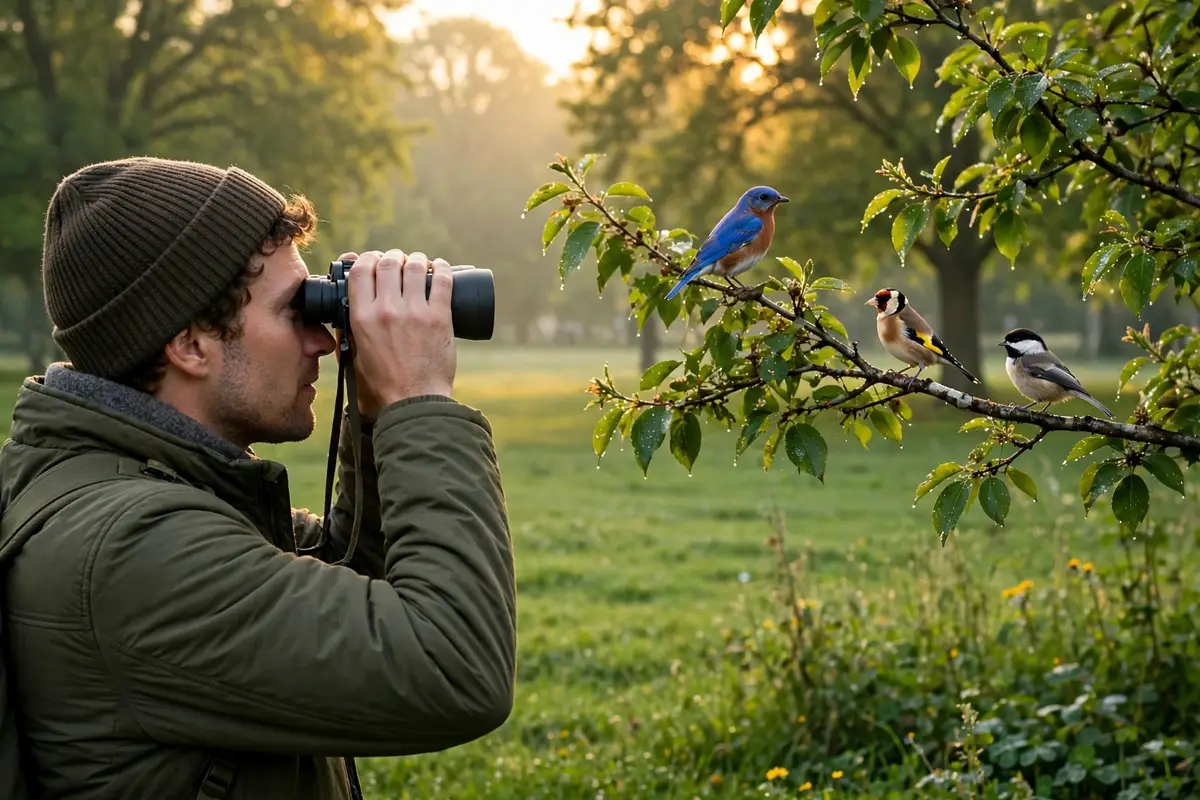
A productive garden quickly becomes part of the local ecosystem, and that is mostly good news. Bees and other pollinators will find your beans and courgettes and raise your harvest for free. If your new hobby has you noticing birds and insects with fresh interest, our guide to how to start birdwatching is a natural next step — gardens are some of the best bird habitat in any neighbourhood. Expect a few losses to slugs, birds, and weather; gardeners who plant a little extra for the wildlife tend to stay cheerful about it, and netting fruit and young seedlings handles the worst of the competition.
Keep a Simple Garden Notebook
The cheapest upgrade for your second season is a record of the first. A notebook or a notes app entry per month is enough: what you sowed and when, what germinated well, which variety of tomato earned its space, and where the shade actually fell in midsummer. Photograph the beds once a month from the same spot. These small records turn vague memories (“the beans did badly somewhere”) into decisions (“move the beans to the sunnier bed and sow them a fortnight later”), and they stop you re-buying seeds you already own. Experienced gardeners are not necessarily more talented; most of them are simply working from better notes.
Mistakes Every First-Year Gardener Makes
Planting everything at once is the classic one — stagger sowings of fast crops like lettuce and radish every few weeks and the harvest spreads out instead of arriving in one overwhelming weekend. Crowding is the second: seedlings look lonely, so beginners plant too close, and by midsummer the plants are competing for light and air. Follow the spacing on the packet even when it looks sparse. Finally, do not abandon the garden in late summer when it looks tired; a last sowing of hardy greens and a tidy-up in autumn sets up a far better second season. Your first vegetable garden does not need to be perfect — it needs to be small, sunny, and tended little and often, and the tomatoes will handle the rest.