
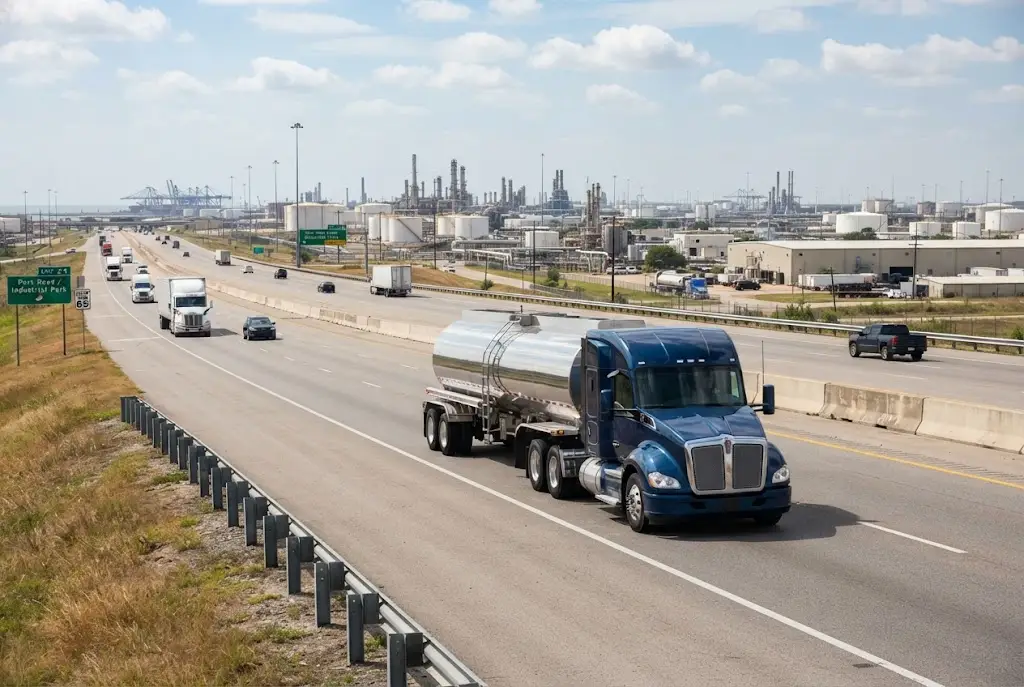
For businesses that depend on dependable freight transportation, logistics is about much more than moving a load from one location to another. Effective transportation requires planning, appropriate equipment, regulatory compliance, communication, and the ability to keep freight moving according to operational requirements.
Blue Jay Logistics operates within this demanding environment, providing transportation capabilities that support commercial supply chains. Its operations are particularly connected with crude oil and chemical transportation across Texas and Louisiana, according to company information associated with its parent organization.
What Is Blue Jay Logistics?
Blue Jay Logistics is a transportation company headquartered in Irving, Texas. The business operates as a motor carrier and has active operating authority for property transportation in federal carrier records.
The company website presents its business around efficient transportation solutions, while information from AMJ Energy identifies Blue Jay Logistics as its dedicated transportation subsidiary. The operation was established to provide transportation capacity for crude oil and chemical logistics.
This focus places Blue Jay Logistics within an important part of the broader transportation industry, where specialized freight requires appropriate equipment, trained personnel, regulatory compliance, and dependable scheduling.
Where Blue Jay Logistics Operates
Blue Jay Logistics is headquartered in Irving, Texas, and its transportation activities are connected with the Texas and Louisiana Gulf Coast region.
This geographic focus is significant because the region has extensive energy, chemical, manufacturing, and industrial activity. Transportation companies operating in these markets must coordinate freight movement across a network of producers, facilities, processing locations, and customers.
Businesses researching transportation providers in the region may also benefit from understanding how Blue Jay Logistics transportation services fit into the wider logistics industry.
Blue Jay Logistics and Freight Transportation
Freight transportation is one of the most important components of a modern supply chain. Raw materials need to reach production facilities, finished products must reach customers, and specialized commodities often require transportation equipment designed around their characteristics.
For transportation providers, efficiency depends on coordinating several elements at the same time. Drivers, equipment, dispatching, routing, loading schedules, regulatory requirements, maintenance, and customer communication all contribute to the overall transportation process.
This is why companies looking for transportation support often evaluate logistics providers based on more than price. Reliability, operational capability, equipment availability, geographic coverage, and communication can all influence the performance of a shipping operation.
Specialized Transportation for Industrial Freight
Industrial transportation can involve requirements that differ significantly from ordinary general freight. Certain commodities require specialized equipment, careful handling procedures, and additional regulatory considerations.
Blue Jay Logistics is associated with crude oil and chemical transportation, making specialized transportation an important part of its operational profile. AMJ Energy describes the company as operating crude and chemical tankers under interstate hazmat authority across Texas and Louisiana.
Specialized transportation can be particularly important for energy and industrial companies because transportation delays can affect production schedules, inventory planning, and downstream operations.
Why Transportation Precision Matters
The phrase “precision” in logistics is not simply about delivering a shipment quickly. It also refers to coordinating the many moving parts required for freight transportation.
Accurate Scheduling
Industrial facilities frequently work according to tightly organized production and loading schedules. Transportation providers need to coordinate pickups and deliveries around these operational requirements.
Equipment Availability
The right transportation equipment is essential for specialized commodities. A carrier needs suitable equipment and operational capacity to support the type of freight being transported.
Regulatory Compliance
Commercial motor carriers operate within federal transportation regulations. Compliance is particularly important when transportation involves hazardous materials or specialized industrial commodities.
Communication
Good communication between shippers, dispatchers, drivers, facilities, and customers can help identify problems early and keep transportation operations organized.
Blue Jay Logistics and the Texas Transportation Market
Texas is one of the most significant transportation and industrial markets in the United States. Its large geographic area, energy production, manufacturing activity, ports, highways, and industrial centers create substantial demand for freight transportation.
Companies operating in Texas therefore depend on transportation networks capable of connecting production facilities with customers and distribution points.
Readers interested in other Texas-focused topics can also explore places to visit in Texas during summer and learn more about different parts of the state.
Connecting Texas and Louisiana Through Transportation
The Texas-Louisiana corridor is particularly important for energy and industrial transportation. The Gulf Coast contains major industrial facilities, refineries, chemical operations, ports, and supporting businesses that depend on reliable transportation infrastructure.
For companies moving industrial commodities through this region, transportation providers can become an important part of the supply chain. A dependable carrier helps connect facilities and customers while supporting the movement of materials between different stages of an industrial process.
This broader regional relationship also demonstrates why modern logistics operations require careful coordination between transportation providers and the businesses they serve.
What Businesses Should Look for in a Logistics Provider
Choosing a logistics provider requires an evaluation of the specific transportation requirements of a business. The best provider depends on the type of cargo, route, delivery schedule, equipment requirements, and regulatory considerations.
- Operating authority: Verify that the carrier has the appropriate authority for the transportation service required.
- Equipment: Confirm that the provider has equipment appropriate for the commodity being transported.
- Geographic coverage: Make sure the carrier operates in the regions and lanes required by the business.
- Safety and compliance: Review relevant regulatory information and operating records.
- Communication: Determine how shipment updates and operational issues are handled.
- Capacity: Consider whether the carrier can support current and future transportation requirements.
The Role of Technology in Modern Logistics
Technology continues to influence the logistics industry. Digital communication, electronic documentation, route planning, fleet management, and shipment visibility can all help transportation businesses coordinate operations more effectively.
Technology can also help businesses make better decisions by giving transportation teams access to operational information. When used properly, digital tools can improve communication between dispatchers, drivers, facilities, and customers.
The wider business environment is also changing as companies adopt technology to improve efficiency. Readers interested in this trend can explore technology and business efficiency and modern technology solutions.
How Logistics Supports Business Continuity
Transportation is closely connected to business continuity because companies cannot always operate efficiently when essential materials are delayed.
A transportation disruption can affect manufacturing schedules, inventory levels, customer commitments, and downstream operations. For this reason, businesses often need transportation partners capable of responding to changing operational requirements.
Effective logistics planning also involves understanding alternative transportation options and maintaining communication throughout the shipping process.
Blue Jay Logistics in the Broader Supply Chain
A carrier represents one part of a larger supply chain. Shippers, producers, brokers, storage facilities, distributors, drivers, and customers may all interact during the movement of a single commodity.
The carrier’s role is to provide transportation capacity and move freight according to the agreed operational requirements. The quality of that transportation can influence how efficiently the rest of the supply chain functions.
This is why businesses often look beyond individual shipments and consider the long-term reliability of their transportation partners.
Other Logistics and Transportation Topics
NatureUpdate also covers different aspects of transportation and logistics. Readers can explore global logistics operations to learn more about the role transportation plays in international business.
Other related resources include fast and reliable shipping freight, logistics careers and supply chains, and the cargo industry and foreign investment.
Frequently Asked Questions
What does Blue Jay Logistics do?
Blue Jay Logistics is a transportation carrier based in Irving, Texas. Its operations are associated with freight transportation, including crude oil and chemical transportation across Texas and Louisiana.
Where is Blue Jay Logistics based?
Blue Jay Logistics is based in Irving, Texas. Its listed business address is on Riverside Drive in Irving.
Does Blue Jay Logistics operate in Texas?
Yes. The company is based in Texas and its operations are connected with transportation activities across Texas and the Gulf Coast region.
Does Blue Jay Logistics handle specialized freight?
Yes. Company information identifies Blue Jay Logistics with crude oil and chemical transportation, which requires specialized transportation capabilities.
Why is logistics important for businesses?
Logistics connects suppliers, production facilities, distributors, and customers. Reliable transportation helps businesses maintain inventory movement, production schedules, and customer commitments.
Final Thoughts
Blue Jay Logistics represents the specialized side of commercial transportation, where freight movement requires coordination, equipment, compliance, and operational planning. Its association with crude oil and chemical transportation places it within an important segment of the Texas and Louisiana industrial transportation network.
For businesses evaluating transportation providers, understanding a carrier’s operating profile, geographic coverage, equipment capabilities, and regulatory status is an important part of making an informed logistics decision.
As supply chains continue to become more connected, transportation providers remain an essential link between producers, industrial facilities, distributors, and customers. Precision in that process can help businesses keep their operations moving efficiently.
Readers interested in the wider transportation sector can continue exploring Blue Jay Logistics, supply chain transportation, and other NatureUpdate business and industry articles.